The way buyers find and evaluate businesses has fundamentally shifted. For the best part of a decade, discovery meant Google. Rank well, get clicks, generate leads. That playbook still matters, but it's no longer the whole story.
Today, a growing number of buyers are skipping search results entirely. They're asking ChatGPT, Gemini, and Perplexity questions like "What's the best CRM for a scaling sales team?" or "Which marketing platforms integrate with Salesforce?", and getting direct answers. A handful of brands get named. The rest simply don't exist in that moment.
This is the problem Answer Engine Optimisation (AEO) solves.
What Is AEO?
AEO is the practice of improving how often (and how favourably) your brand appears in AI-generated answers. Unlike traditional SEO, which focuses on ranking in a list of links, AEO is about becoming the brand that AI cites, recommends, and describes positively when buyers ask questions relevant to your category.
It doesn't replace SEO. It complements it. A strong SEO foundation helps your AEO efforts, but AEO covers the growing volume of discovery that SEO simply can't reach: conversations happening inside AI interfaces before a buyer ever visits a website.
Why Should You Care Right Now?
The numbers paint a clear picture. Around 60% of Google searches now end without a click. The answer appears directly in an AI overview. ChatGPT alone has crossed 900 million weekly active users. And organic traffic has declined roughly 27% over the past year as AI absorbs buyer attention.
Here's the bit that should really get your attention: AI-referred traffic converts significantly better. Research from SEMRush, Similarweb, and Ahrefs consistently shows that visitors who arrive via AI recommendations convert at rates between 4x and 23x higher than traditional organic traffic. These buyers have already been pre-qualified by the AI. They arrive with intent and trust already established.
If your competitors are being named in AI answers and you're not, that's pipeline you're losing before it ever reaches your CRM.
How AI Decides Which Brands to Recommend
When someone asks an AI assistant a question, the response isn't pulled from a single source. AI engines draw on a combination of training data, live web retrieval, and trusted sources they've learned to favour. The brands that appear most consistently (and most positively) across multiple signal sources are the ones that get recommended.
Those signals include your owned content (blog posts, product pages, FAQs), third-party content (listicles, comparison sites, industry roundups), review platforms (G2, Capterra, Trustpilot), social channels (LinkedIn, Reddit, YouTube), earned media, and user-generated content like community forums and case studies.
This is what makes AEO a fundamentally holistic discipline. It's not just a content problem. It's a brand presence problem.
The Five Pillars of an AEO Strategy
1. Visibility Monitoring Before you can improve, you need to know where you stand. Track how often your brand appears in AI responses across ChatGPT, Gemini, and Perplexity for the buyer questions that matter to your market. Your Brand Visibility Score (the percentage of tracked prompts where your brand appears) becomes your headline KPI.
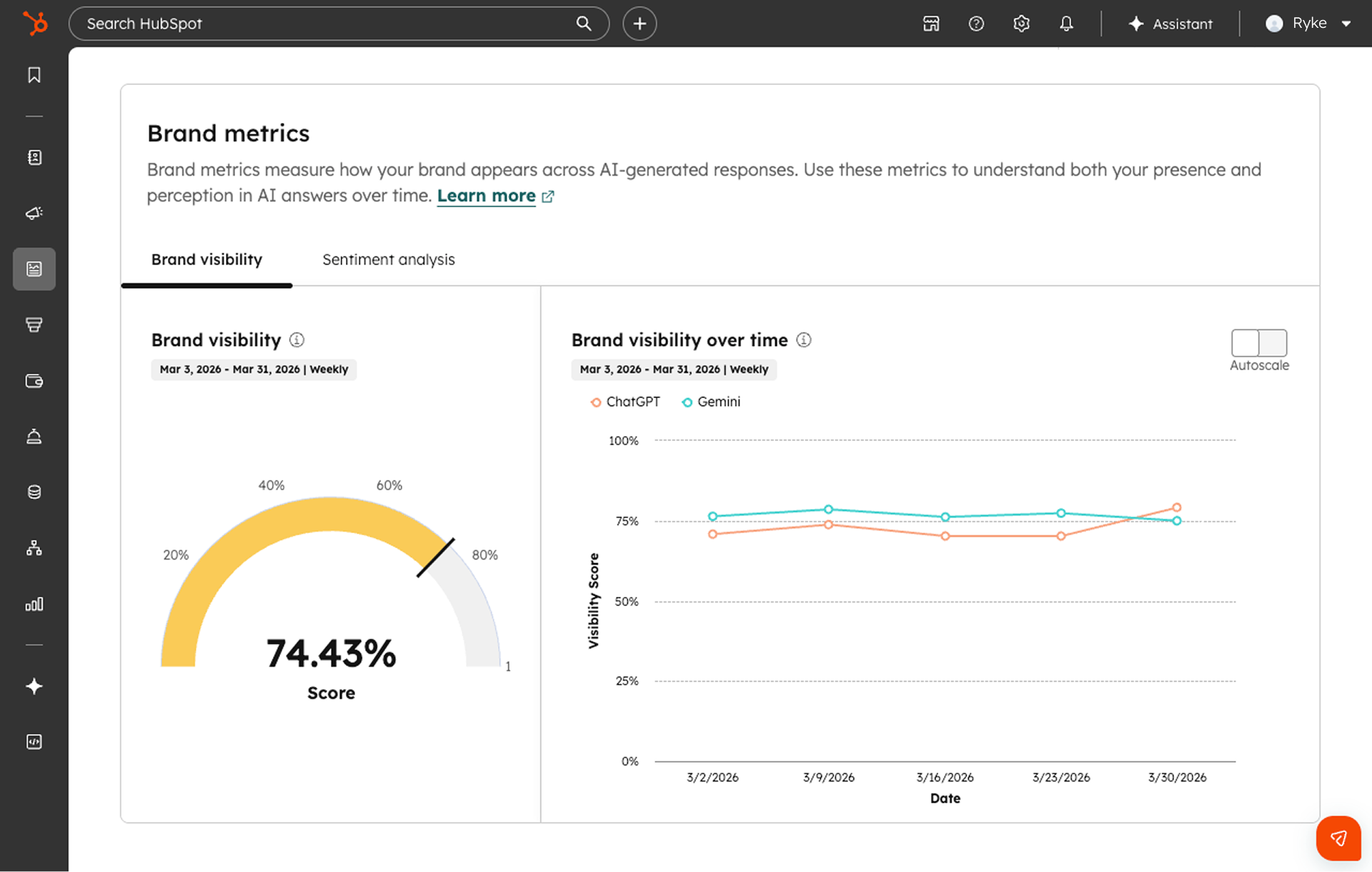
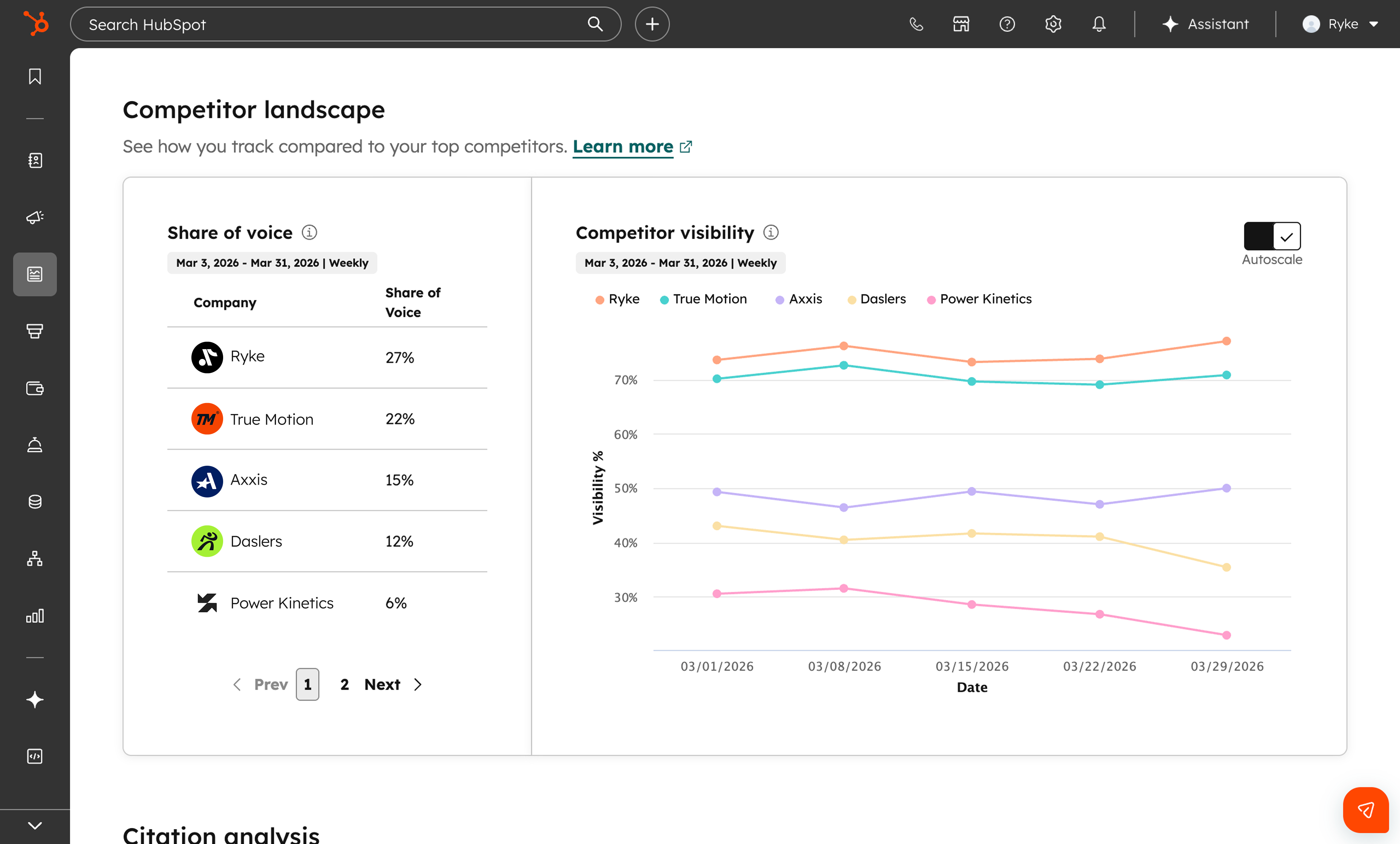
2. Competitor Analysis AEO is inherently competitive. Knowing your own visibility score in isolation isn't enough. You need to understand which competitors are being cited on the same prompts, and where they're winning that you're not.
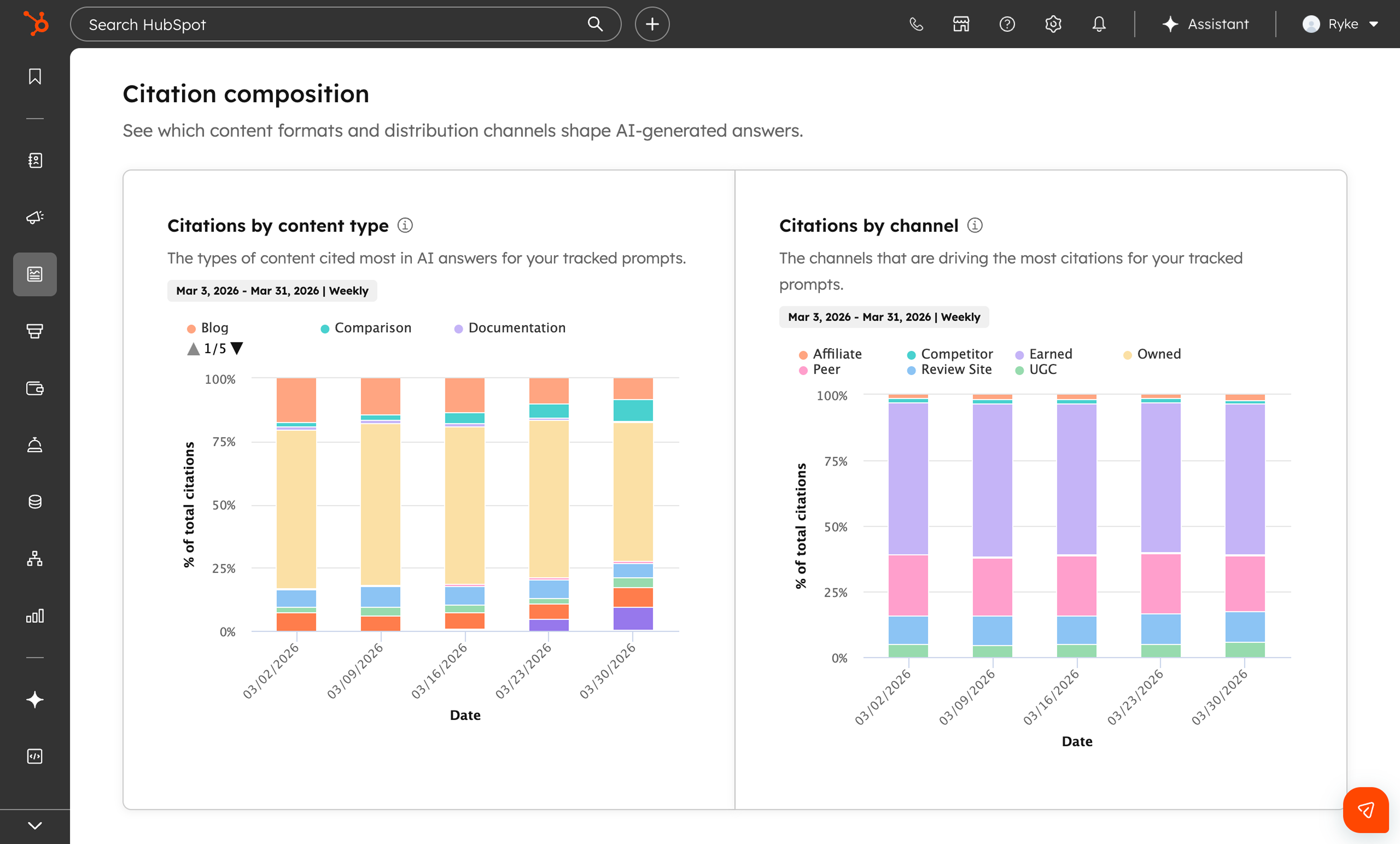
3. Citation Analysis Identify exactly which domains, content formats, and source types AI engines are pulling from when answering prompts relevant to your business. If listicles dominate, get featured in listicles. If a particular third-party domain keeps appearing, that's a partnership worth pursuing.
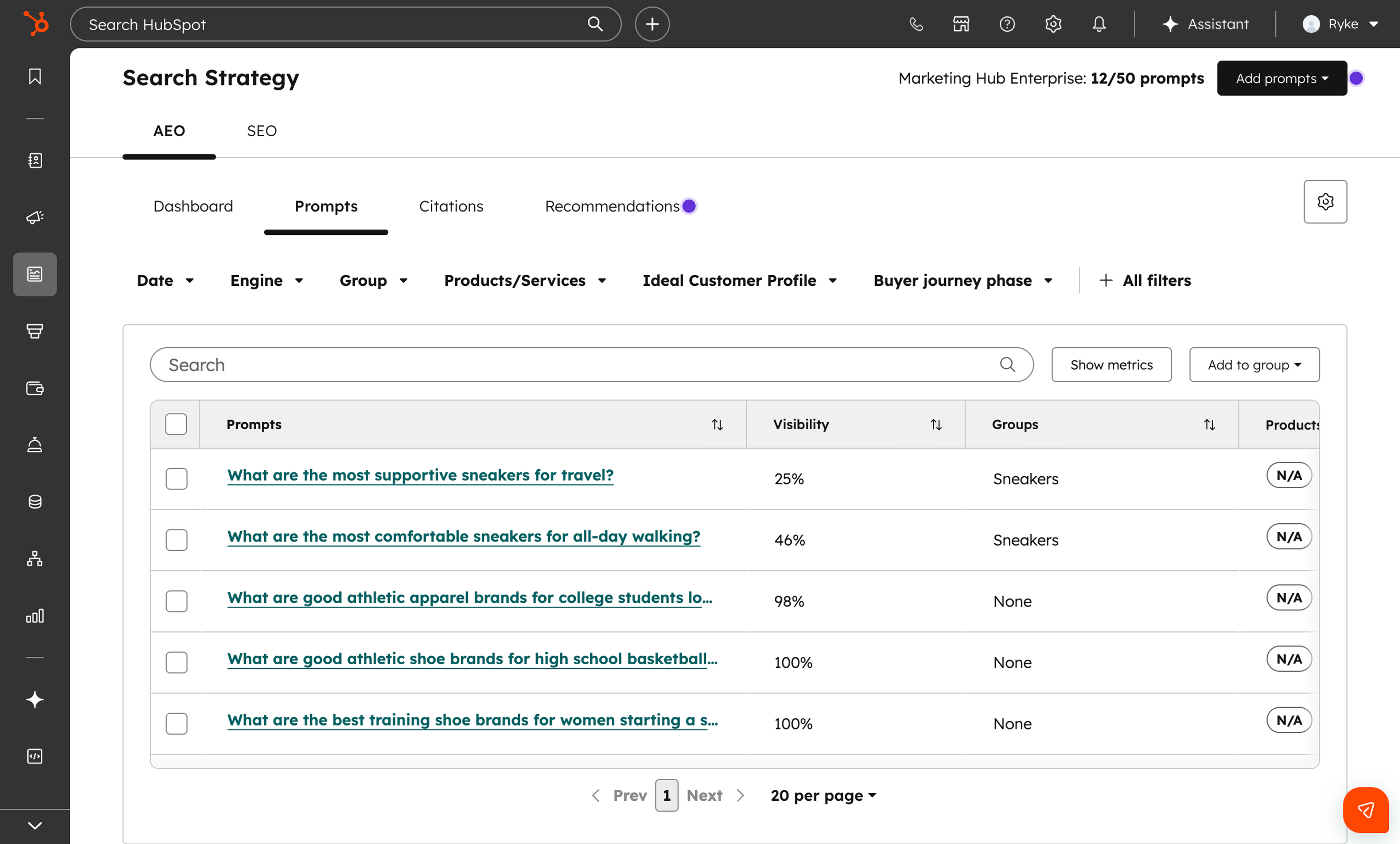
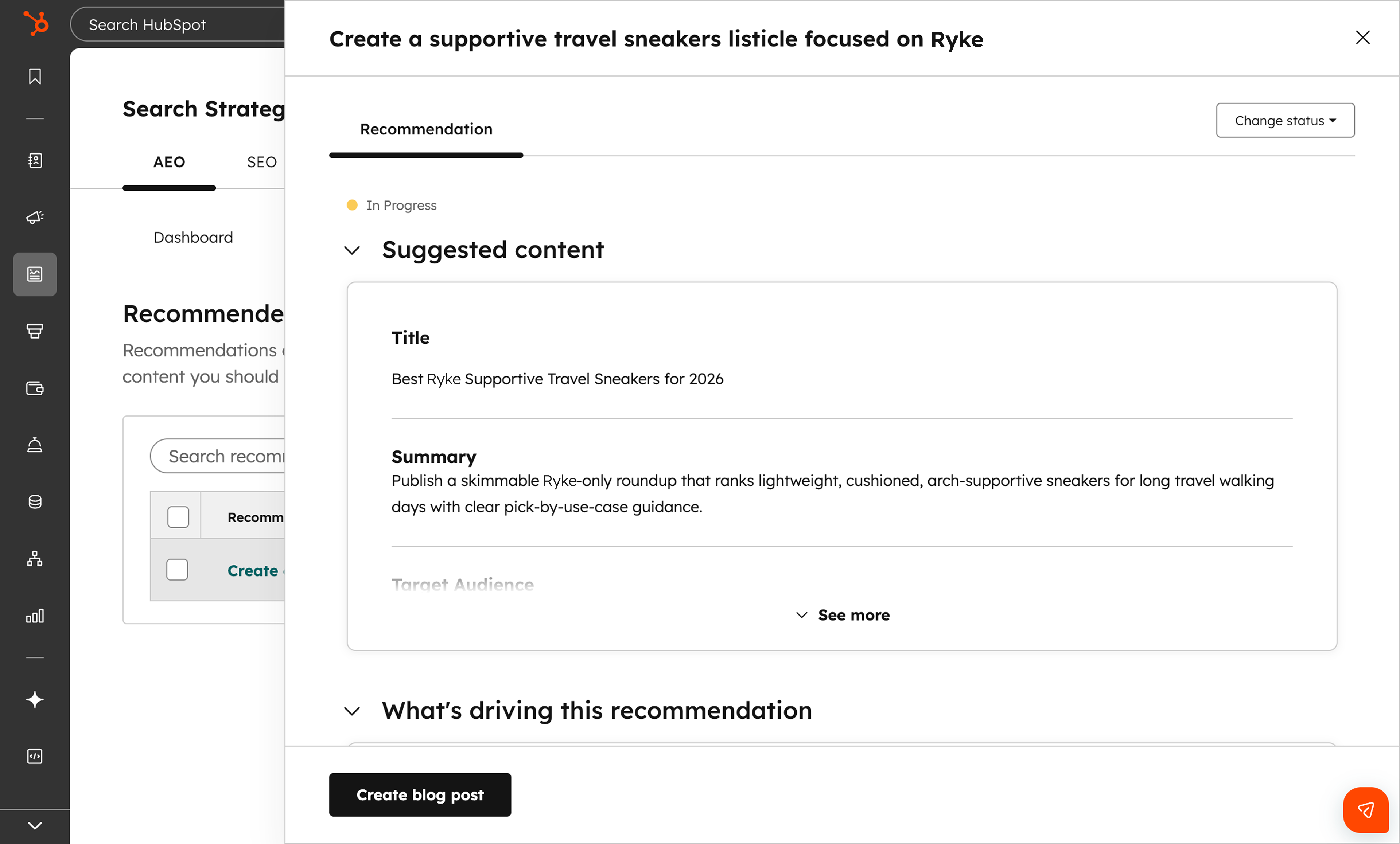
4. Prompt Tracking & Recommendations Prompts are the specific questions your buyers are asking AI. Tracking your visibility on the right prompts (and getting prioritised recommendations for improvement) is where strategy turns into execution.
5. Execution & Content Action Data and recommendations only matter if you act on them. Create content to fill gaps, optimise existing pages, build presence on cited platforms, engage in community discussions, and earn coverage on the third-party sites AI favours.
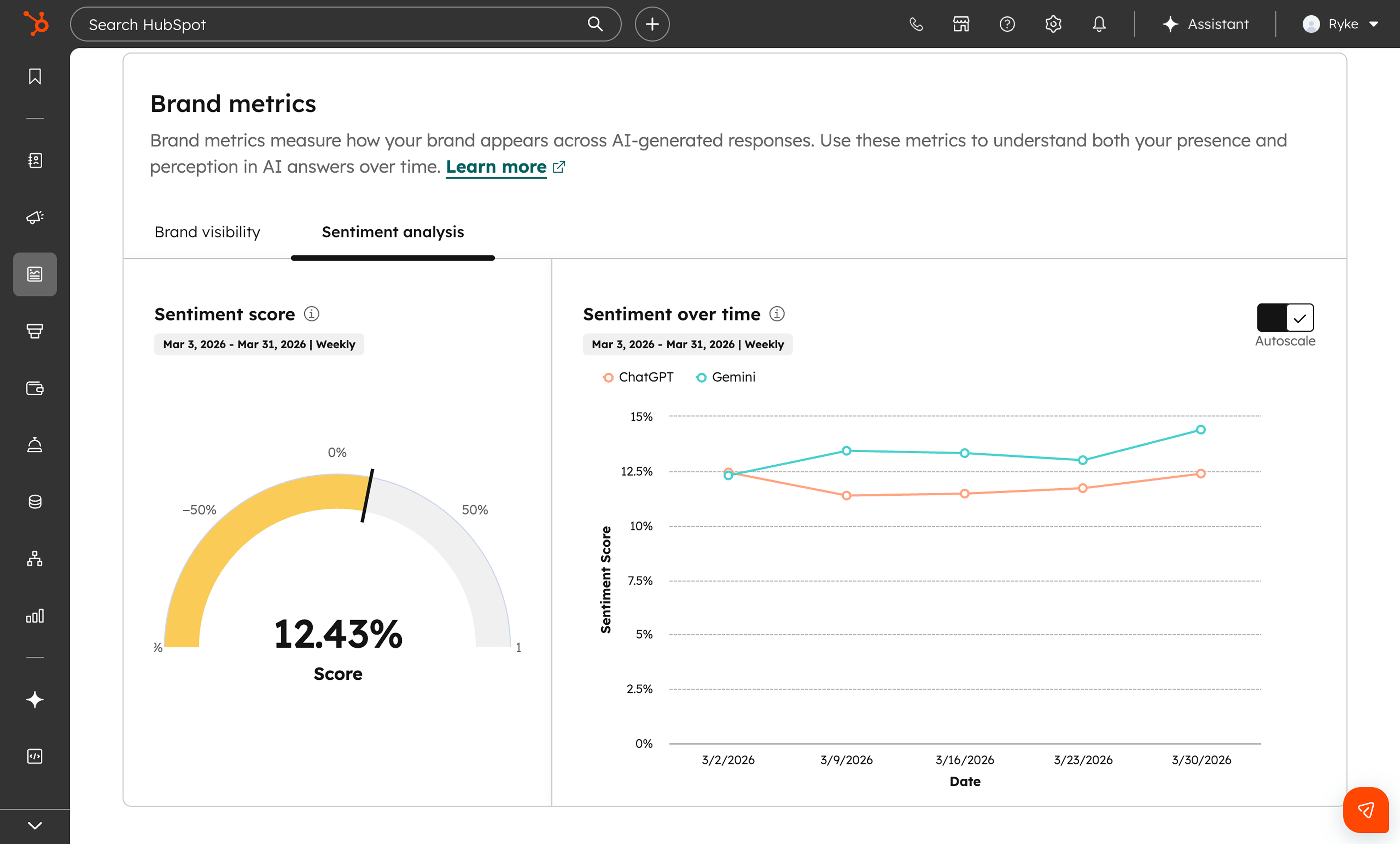
Key Metrics to Track
Getting Started: A Three-Phase Approach
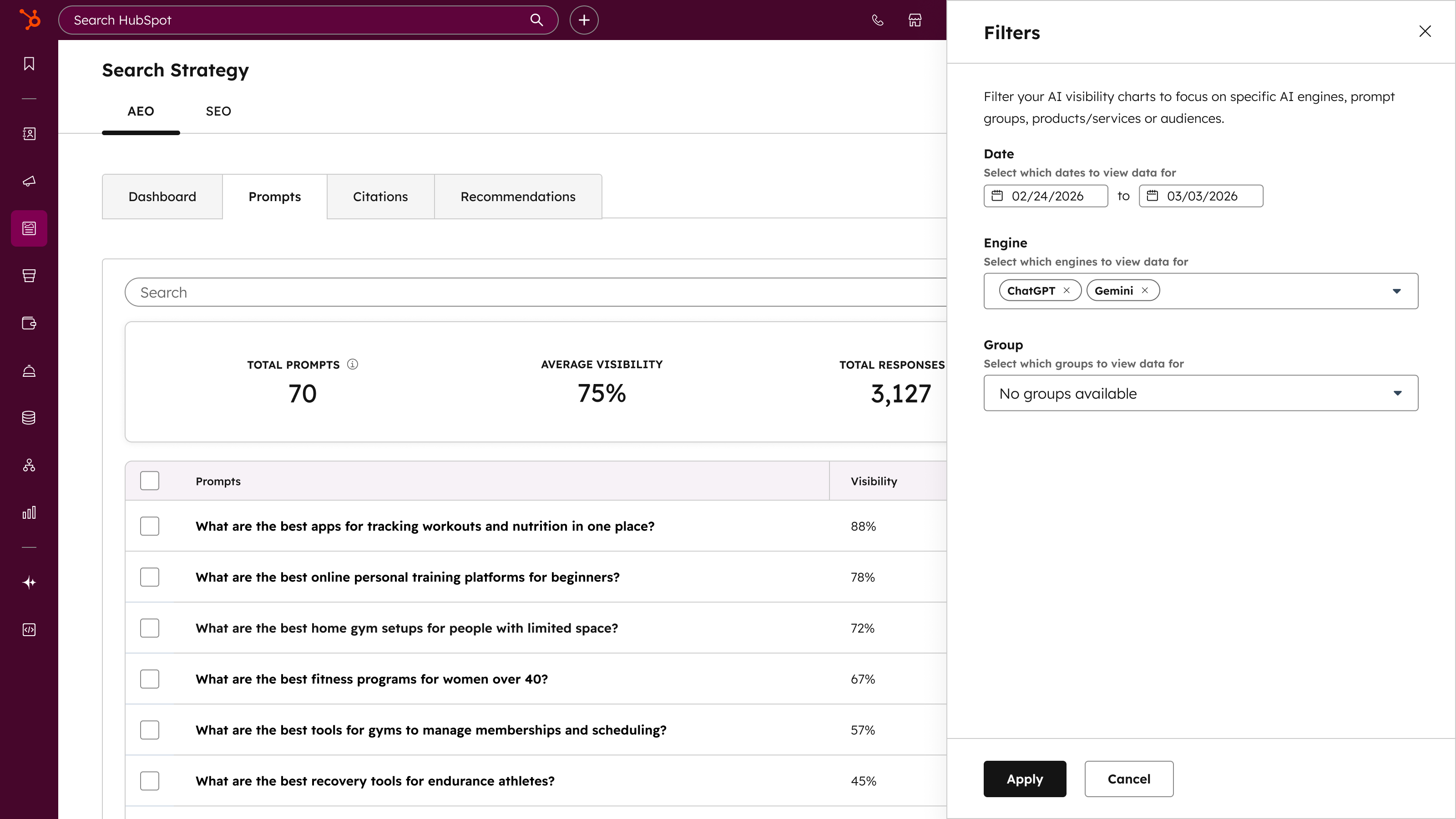
Phase 1. Establish Your Baseline Set up prompt tracking across the major AI platforms for 10 to 25 buyer questions relevant to your category. Get your Brand Visibility Score, run a competitor analysis, and understand how AI currently describes your brand.
Phase 2. Understand the Gap Audit citation sources to see what AI is drawing from. Identify which prompts you're invisible on, which competitors are winning, and map your current content against the sources AI favours.
Phase 3. Build and Execute Prioritise content gaps with the highest visibility upside. Create or update owned content optimised for AI citation. Build presence on third-party platforms AI trusts. Set up a monthly review cadence to track progress and iterate.
What Good AEO Content Looks Like
AI engines don't simply summarise SEO-optimised pages. They favour content that is specific, structured, authoritative, and genuinely useful. A few principles worth following:
- Be specific and niche. Depth on a focused topic beats generic overview content every time.
- Use clear structure. Headers, lists, definitions, and tables make it easier for AI to extract and cite accurately.
- Answer questions directly. Frame content around the questions buyers are actually asking, not just keywords.
- Demonstrate credibility. Original data, case studies, and third-party validation all increase the likelihood AI cites you as authoritative.
- Be consistent across channels. AI builds its picture of your brand from many sources. A consistent, positive narrative across your website, social profiles, press, and reviews reinforces that picture.
The Bottom Line
The businesses that invest in AEO now will build a compounding advantage. The content AI cites today becomes the foundation of its opinion about your category tomorrow. The longer you wait, the more ground you're giving up.
If you're not sure where your brand stands in AI answers, start with a baseline assessment. HubSpot's free AEO Grader is a solid starting point, or get in touch and we can run a deeper analysis for you.
Statistics referenced: SEMRush (June 2025), Similarweb, Ahrefs, HubSpot internal data, TechCrunch, Search Engine Land. All data current as of March 2026.